
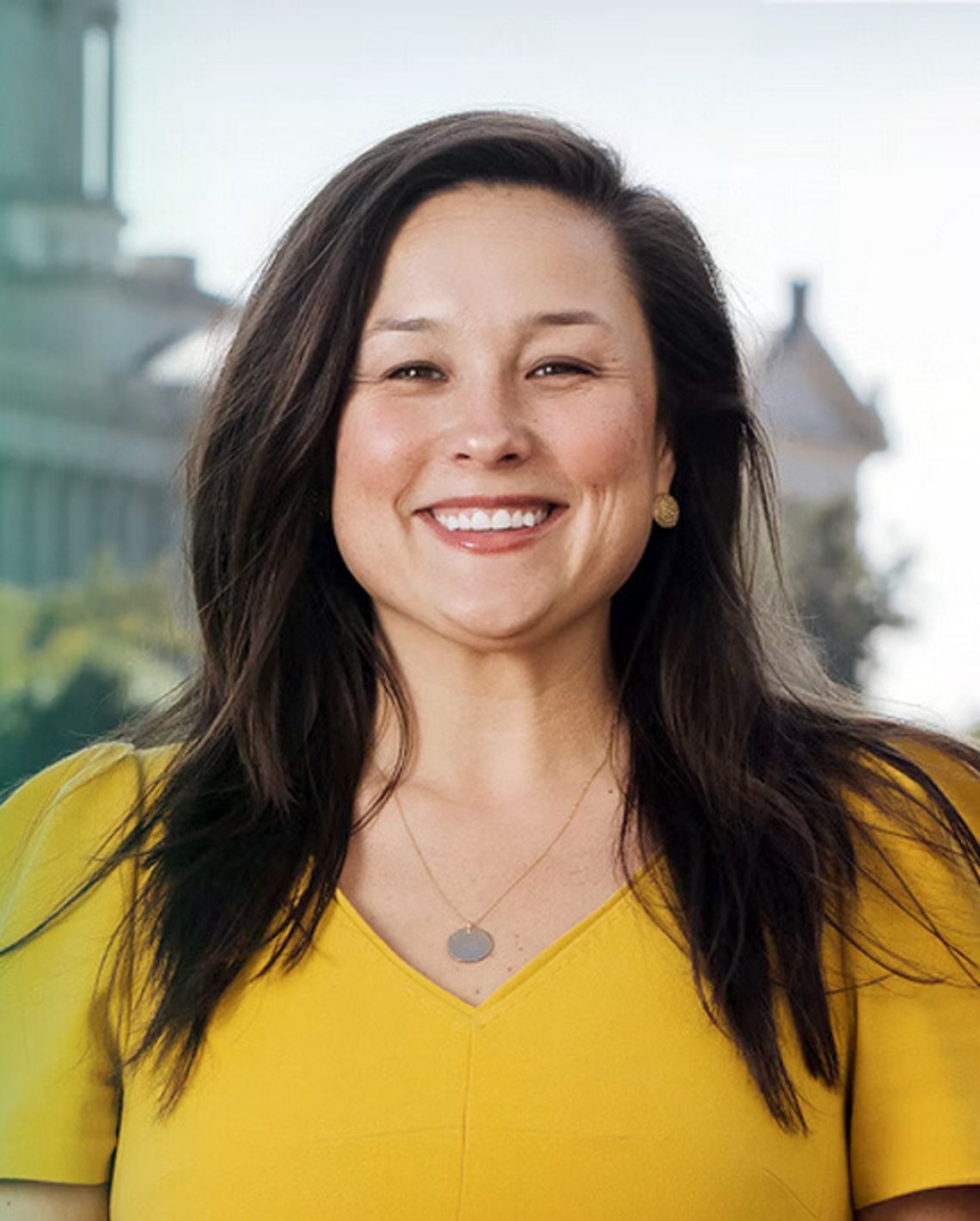
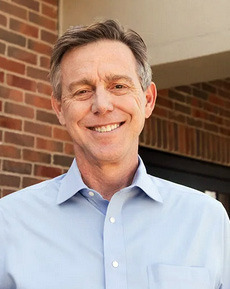
Republican Mike Mazzei and Democrat Cyndi Munson offered sharply contrasting visions for Oklahoma’s future during a televised gubernatorial debate hosted by the Oklahoma Educational Television Authority (OETA), disagreeing on taxes, public education, health care, immigration and the state’s approach to economic development.
Mazzei emphasized cutting taxes, expanding job opportunities, reducing insurance costs and improving reading outcomes in public schools. Munson states that Oklahoma needs greater investment in public education, health care and in helping working families, while criticizing what she described as the consequences of nearly two decades of Republican control of state government.
The debate was the only gubernatorial match of the year. Although five candidates are seeking the office, only Mazzei and Munson participated in the OETA event.
The candidates also disagreed over data centers, foreign investment, abortion restrictions, immigration enforcement and relations between the state and Oklahoma’s Native American tribes.
Candidates contrast on economic visions
Mazzei made eliminating Oklahoma’s individual income tax a central part of his economic platform, arguing that the change would help attract businesses, encourage wage growth and create more opportunities for working families.
He proposed initially reducing the state income tax rate from 4.5% to 3% by eliminating what he described as approximately $2 billion in tax giveaways within the state’s tax code. He said the reduction would be part of a broader, three-part economic growth plan.
Mazzei also proposed eliminating property taxes for seniors and veterans and reducing homeowners’ and automobile insurance costs.
“We have to become a no income tax state,” Mazzei said, arguing that Oklahoma loses potential high-paying jobs when businesses relocate to states such as Texas that do not levy an individual income tax.
He cited Tennessee’s economic growth as an example of the potential benefits of tax policy changes and argued that Oklahoma could increase revenue while lowering tax rates.
Munson challenged the idea that additional tax cuts would necessarily improve conditions for working families.
She said previous tax cuts had contributed to budget difficulties and reductions in public services, including education, health care and infrastructure. Rather than increasing taxes on working families, she said, the state should reconsider how existing revenue is spent.
“Campaigning on cutting taxes is very, very easy. Governing is more difficult,” Munson said.
She criticized spending on private school vouchers and other initiatives, arguing that state resources should be directed toward services that benefit Oklahomans broadly.
Munson also questioned whether Mazzei’s tax proposals would adequately address the financial pressures facing families struggling to afford housing, groceries, utilities and other necessities.
The candidates’ disagreement extended to the relationship between public investment and economic development. Mazzei argued that lower taxes and an expanded skilled workforce would help attract businesses. Munson said investment in education, health care, and child care is necessary to develop the workforce businesses need.
Public education emerges as a dividing line The candidates offered different approaches to improving Oklahoma’s public schools, with Munson emphasizing increased investment and Mazzei advocating literacy reforms and school choice.
Munson said Oklahoma must improve teacher and support staff compensation, expand access to mental health services and special education, and increase the number of certified teachers working in classrooms.
She cited nearly 4,000 emergency-certified teachers as evidence of the need to strengthen the teacher workforce.
“We are not meeting the needs of what it takes to operate a classroom today,” Munson said.
She said public education had played an important role in her own life and argued that better-funded schools would help Oklahoma attract businesses and provide students with greater opportunities.
Munson also connected education spending to the state’s broader economic challenges, saying employers need a wellprepared workforce and families need access to quality schools.
Mazzei said Oklahoma needs to improve reading proficiency, particularly among elementary school students. He proposed appointing a statewide literacy director during his first week in office to implement reforms modeled after Mississippi’s literacy program.
He identified phonicsbased instruction, additional reading coaches and accountability measures as key elements of that effort. His goal would be to ensure students can read at grade level by the end of third grade.
He criticized Munson for supporting increased public education spending while opposing certain educationrelated policies he favors, including school choice and restrictions concerning transgender students’ participation in school sports and use of school bathrooms.
Munson, meanwhile, accused Mazzei of supporting cuts to public education and said Oklahoma needs a governor who will invest in schools rather than reduce their resources.
Although the candidates disagreed about funding and policy, both identified improved educational outcomes as an important goal for Oklahoma.
Healthcare, rural hospitals draw competing proposals Healthcare was another major point of disagreement, particularly as the candidates addressed the financial condition of rural hospitals and access to medical services.
Mazzei said Oklahoma must address waste, fraud and abuse in the health care system, citing an audit that he said identified $1.6 billion in questionable annual expenses involving SoonerCare, the state’s Medicaid program.
He argued that addressing improper spending could free money for rural hospitals and other health care needs.
Mazzei also proposed a physician recruitment program that would exempt doctors beginning their careers in Oklahoma from state income taxes for five years.
He said increasing the number of doctors would improve access to care and help patients establish lasting relationships with primary care physicians.
Munson emphasized protecting Medicaid expansion and maintaining funding for hospitals and long-term care facilities. She said rural hospitals are essential not only to residents’ health but also to the economic stability of their communities. Without adequate funding, she argued, rural residents face greater difficulty obtaining necessary medical services.
Munson challenged Mazzei’s criticism of waste in the health care system, noting his previous experience as a state Senate finance chairman and secretary of finance. She argued that a governor should work with federal officials, local hospital administrators and other leaders to secure the resources needed to maintain access to care.
The candidates also differed over abortion restrictions.
Munson said Oklahoma’s abortion laws have made access to reproductive health care more difficult and less safe for women. She cited difficulties obtaining appointments with obstetrician-gynecologists and said women in many Oklahoma counties lack access to those specialists and maternity care.
She argued that women and doctors should not face criminal penalties for accessing or providing health care.
Mazzei did not directly answer the abortion question in the exchange, instead discussing the aluminum smelter project and Munson’s vote concerning its funding.
Data centers, foreign investment raise concerns The candidates disagreed over how Oklahoma should handle the expansion of data centers, which require substantial electricity and can place demands on local water supplies and infrastructure.
Mazzei said the United States must remain competitive in artificial intelligence but argued that data centers should operate under safeguards designed to protect taxpayers and local communities.
He outlined four conditions for such facilities: They should receive no taxpayer funding, provide for their own electricity needs, operate on locally approved industrial sites, and use advanced closed-loop cooling systems to limit water consumption. Mazzei said communities should be allowed to approve data center projects if those safeguards are in place.
Munson proposed a different approach, saying she would issue an executive order on her first day in office imposing a moratorium on new data center projects. She said Oklahoma needs a uniform approach to evaluating the industry’s effects before allowing additional facilities to proceed.
Munson said data centers should not shift infrastructure, electricity or utility costs onto working families and said the state must protect its natural resources.
The candidates also disagreed over a proposed aluminum smelter in Inola and the use of public funds to support a foreign-owned enterprise.
Mazzei said he became a supporter of the project after examining its potential economic and national security benefits. He cited the possibility of substantial job creation and the importance of domestic aluminum production to the U.S. military. He said China controls a significant share of the world’s aluminum production and argued that Oklahoma could help strengthen the domestic supply chain.
Mazzei also said independent evaluators should examine the facility’s effects on water and air quality to help ensure the project would be safe for residents, livestock and agricultural operations.
Munson said she opposed what she characterized as a $255 million taxpayer-funded giveaway to a foreign corporation. She argued that the state should not provide substantial financial benefits to outside businesses while failing to adequately support teachers and working families.
Insurance costs and housing affordability
Both candidates acknowledged that rising insurance and housing costs are creating financial pressure for Oklahoma residents, but they proposed different solutions.
Mazzei said he would seek to replicate insurance reforms implemented in Florida, which he said had reduced average homeowners’ and automobile insurance costs by approximately 14%.
His goal would be to lower those costs by 10% to 15%.
Mazzei also cited his personal experience dealing with an insurance company after a serious automobile accident that left him with a broken back and significant nerve damage. He said Oklahoma should strengthen oversight of insurers and ensure companies meet their obligations to policyholders.
Munson said homeowners should not have to absorb excessive premium increases without clear explanations from insurance companies. She proposed working with the attorney general, the insurance commissioner and the Legislature to enforce insurance laws and establish protections for consumers.
Munson also supported placing limits on insurance rate increases, arguing that the state must do more to protect working families from rising costs.
Housing affordability prompted another exchange over wages and economic opportunity.
Mazzei said the best way to make housing more affordable is to create jobs and increase wages faster than inflation. He said his tax proposals and plans to expand career and technical education would help accomplish that goal. He also proposed expanding access to skilledtrade training by moving students from waiting lists into programs that prepare them for careers in fields such as nursing, welding, electrical work and plumbing.
Munson said Oklahoma faces both a shortage of available housing and a wage problem. She cited an estimated shortfall of 80,000 housing units for the state’s current population and called for an increase in the minimum wage. She also emphasized the need for greater investment in child care, health care, and public education.
Munson said she would work with tribal governments and local leaders to expand housing opportunities and address the challenges facing families who struggle to cover basic expenses.
Immigration enforcement and agricultural labor Immigration policy produced one of the debate’s sharper exchanges, as the candidates addressed concerns about arrests affecting agricultural workers and the state’s beef supply chain.
Mazzei defended stricter immigration enforcement, saying he supported border security and the deportation of immigrants who commit crimes. He cited legislation he supported while serving in the state Senate and praised the Trump administration’s border policies. Mazzei also said he would designate the Muslim Brotherhood and the Council on American-Islamic Relations (CAIR) as foreign terrorist organizations. He criticized Munson for her past public statements and partici- pation in community events involving CAIR.
GOVERNOR: Differ on how to improve tribal relations
Munson responded by criticizing what she described as extremist political rhetoric. She said a governor must listen to agricultural leaders who have raised concerns about immigration enforcement and its effects on the workforce. Munson said people who break the law should face consequences but argued that immigration policies must also account for the needs of industries that depend on workers to maintain production.
She emphasized the importance of working with farmers, ranchers and other local leaders to understand how state and federal policies affect Oklahoma’s economy.
The candidates also discussed broader agricultural issues.
Munson proposed appointing an agriculture secretary who would work directly with farmers and ranchers. She said the state should adequately fund agricultural services, restore a forestry director position and ensure livestock disease threats are addressed using scientific evidence. She also advocated partnerships between Oklahoma producers and schools, restaurants and businesses to encourage the use of locally produced food.
Mazzei said he opposed importing foreign beef as a way to lower prices, arguing that Oklahoma ranchers produce high-quality products for domestic consumers. He also discussed concerns in the poultry industry, including potential job losses associated with a longstanding lawsuit, and said an agricultural working group was providing input on policy issues affecting farmers and ranchers.
Tribal relations and energy policy
The candidates agreed that Oklahoma’s Native American tribes represent an important economic and governmental partner, although they differed in their emphasis on how to improve relations.
Mazzei described the state’s 39 federally recognized tribes as valuable partners in economic development, education and health care. He said negotiations between tribal governments and the state should focus on cooperation rather than litigation, particularly when addressing complicated legal and jurisdictional questions.
Munson criticized the current administration’s handling of tribal relations and said the state had missed opportunities in education, health care, child care and infrastructure because of strained relationships.
She proposed appointing a secretary of Native American Affairs and working with lawmakers to establish the position permanently. Munson also emphasized that tribal nations are sovereign governments and said she would respect tribal sovereignty while seeking cooperative solutions.
On energy policy, Mazzei advocated policies designed to strengthen Oklahoma’s oil and natural gas industry. He said permitting delays and regulatory burdens can make it more difficult for companies to develop new drilling sites. He proposed working with the Oklahoma Corporation Commission to accelerate permitting and criticized taxpayer-funded renewable energy programs that he said subsidize competition against the state’s traditional energy industries.
Munson supported an allof- the-above energy strategy that includes oil and natural gas as well as wind and solar power. She said investments in education and health care are also important to attracting and retaining energy companies because businesses need a strong workforce and communities that offer essential services.
Both candidates said they wanted to keep businesses in Oklahoma, but they differed over whether tax reductions and regulatory changes or increased investment in public services would be more effective in achieving that goal.
Candidates make closing appeals
In their closing statements, both candidates returned to affordability and the future of Oklahoma families.
Munson portrayed herself as a candidate who understands the challenges facing working people and who would protect public services. She criticized Mazzei’s positions on education and health care, arguing that his proposals would reduce support for programs that families rely on.
Munson said her experience representing an Oklahoma City legislative district and traveling throughout all 77 counties had reinforced her belief that voters want a change in state leadership. She said Republican control of state government had failed to produce adequate results in education and healthcare and said she believed Oklahoma voters were ready for a different approach.
Mazzei emphasized his record in state government, his financial background and his proposals to reduce taxes and create jobs. He said his priorities include helping residents afford homes, allowing seniors to retire with greater financial security, improving children’s reading skills, and expanding opportunities for students pursuing skilled trades.
Mazzei said his plan to eliminate the state income tax, reduce insurance costs and expand literacy and career training programs would help usher in greater economic growth and opportunity for future generations.
The debate highlighted the fundamental choice the candidates are presenting to voters: Mazzei is emphasizing tax reductions, economic growth and government efficiency, while Munson is calling for greater investment in public services and policies aimed at improving affordability for working families.